Arthur Rothstein
1915 – 1985
The first FSA photographer, who gave the Dust Bowl its enduring face
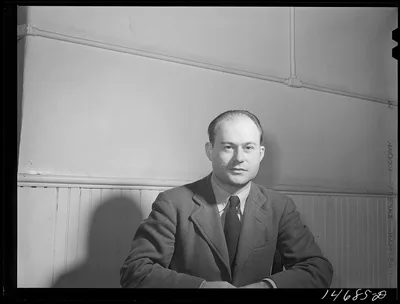
Arthur Rothstein was born on July 17, 1915, in New York City, the son of Jewish immigrants, and grew up in the Bronx. He attended Columbia University, where he studied during the early years of the Great Depression, founded the University Camera Club, and served as photography editor of the undergraduate yearbook, The Columbian. While at Columbia he came to know Roy Stryker, an economics instructor who would soon shape the most important federal photography project in American history.
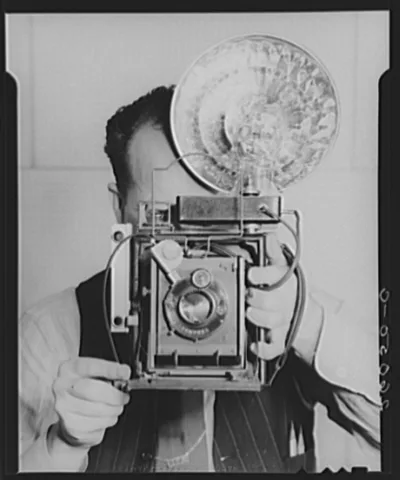
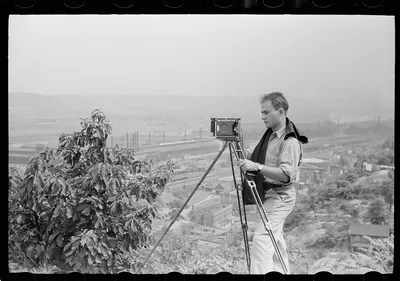
When Rothstein graduated in 1935, Stryker—newly appointed to lead the photographic unit of the Resettlement Administration (RA), the agency later folded into the Farm Security Administration (FSA)—invited him to Washington, D.C. Hired to set up the darkroom and copy file, Rothstein became the first staff photographer Stryker sent into the field. Over the next five years he traveled the country documenting the conditions of the rural poor, producing some of the defining images of the era alongside colleagues including Walker Evans, Dorothea Lange, Ben Shahn, and Russell Lee.
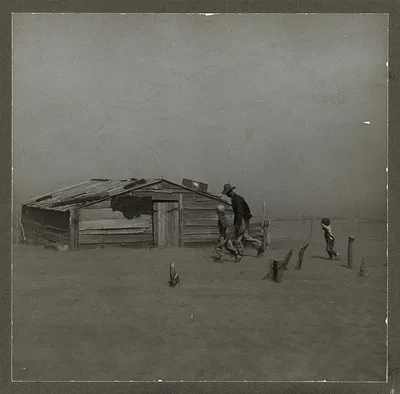
In April 1936 Rothstein photographed the drought-stricken Oklahoma Panhandle, where he made "Farmer and Sons Walking in the Face of a Dust Storm, Cimarron County, Oklahoma"—a man and his two young sons bent against a wall of blowing dust. The picture became one of the most reproduced images of the Dust Bowl and an enduring emblem of the decade. The same spring, in the South Dakota Badlands, he photographed a sun-bleached steer skull on cracked earth, a series that would later become the center of a national controversy over the staging of documentary photographs.
Rothstein's FSA assignments ranged widely: displaced mountain farmers in Virginia's Shenandoah region being relocated for a new national park, cattle ranchers and drought refugees in Montana and the Dakotas, and, in 1937, the isolated African American farming community of Gee's Bend, Alabama, where he made dignified studies of daily life. His range and technical fluency made him one of the most productive members of Stryker's unit.
Rothstein left the FSA in 1940 to join the new picture magazine Look. During the Second World War he served as a photographer with the U.S. Army Signal Corps in the China-Burma-India theater and afterward photographed relief work in China for the United Nations Relief and Rehabilitation Administration. He returned to Look, where he eventually became director of photography, remaining with the magazine until it ceased publication in 1971. He later worked for Parade magazine, wrote nine books on photography and photojournalism, and taught at the Columbia University Graduate School of Journalism and elsewhere. Arthur Rothstein died on November 11, 1985, in New Rochelle, New York, at the age of seventy.
A Career in Images
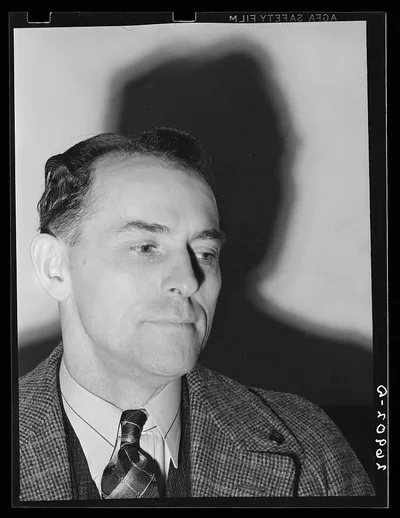
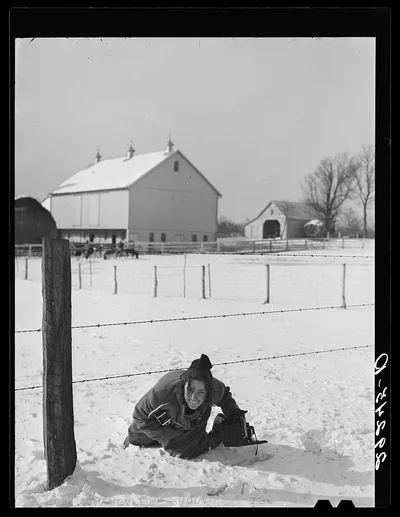
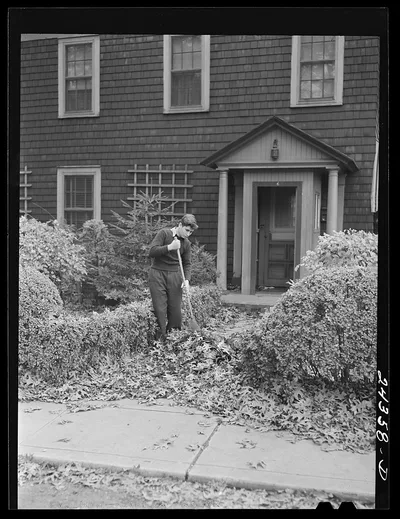
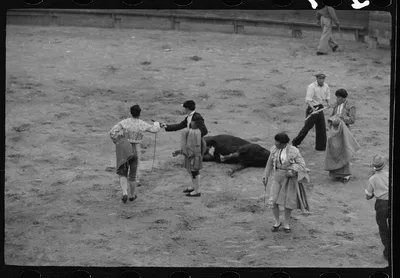
"Documentary photographers all have a common characteristic. They are curious, yet objective. They search with inquisitive zeal for the essence of nature and events."
— Arthur Rothstein